
Chinese Medicines Section
About the Section
This Section was established on 7th October 1998. Its major responsibilities are to provide testing services and technical support for the safety monitoring of proprietary Chinese medicines and Chinese herbal medicines sold on the market, and to conduct development work on analytical methodology.
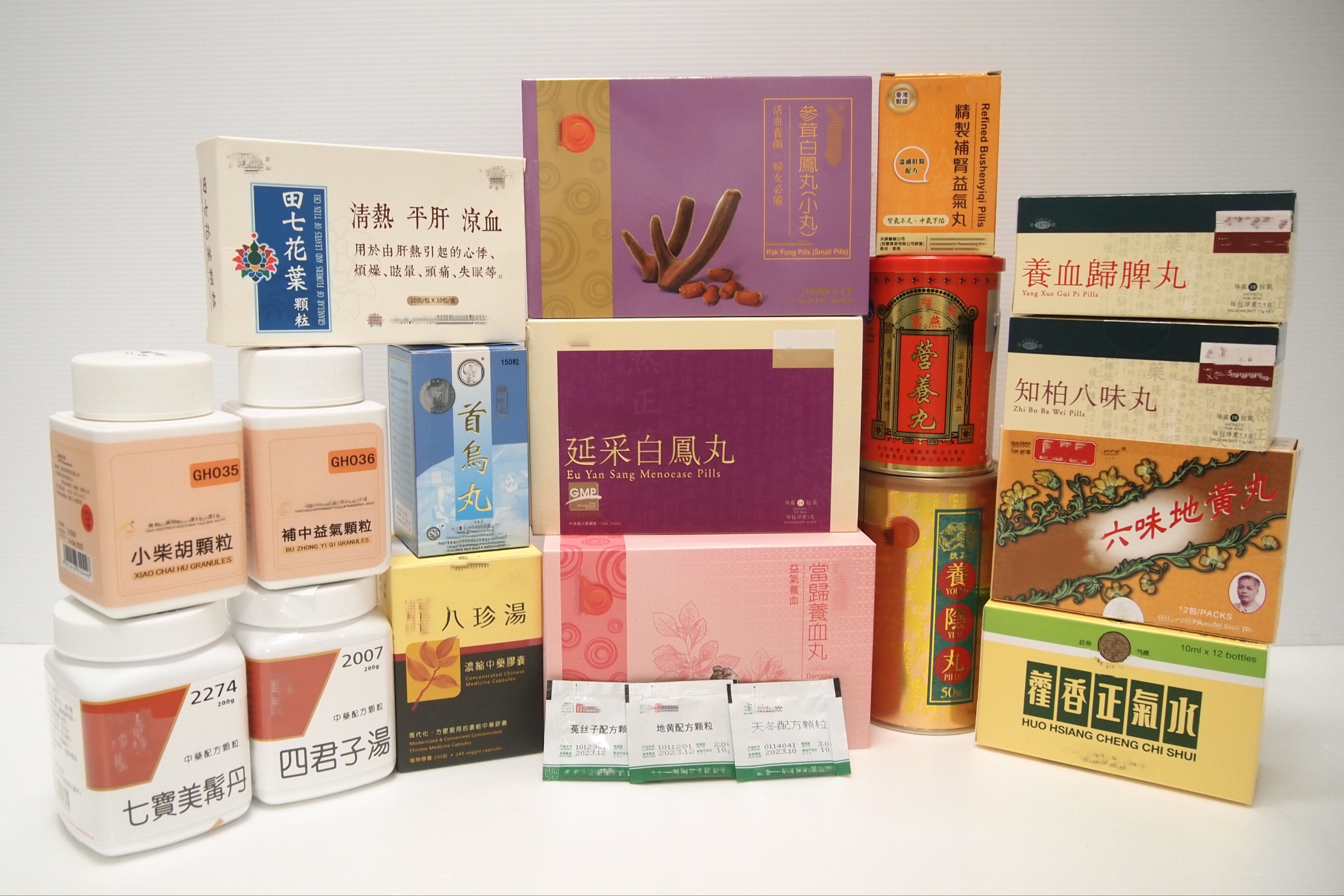
Proprietary Chinese Medicines
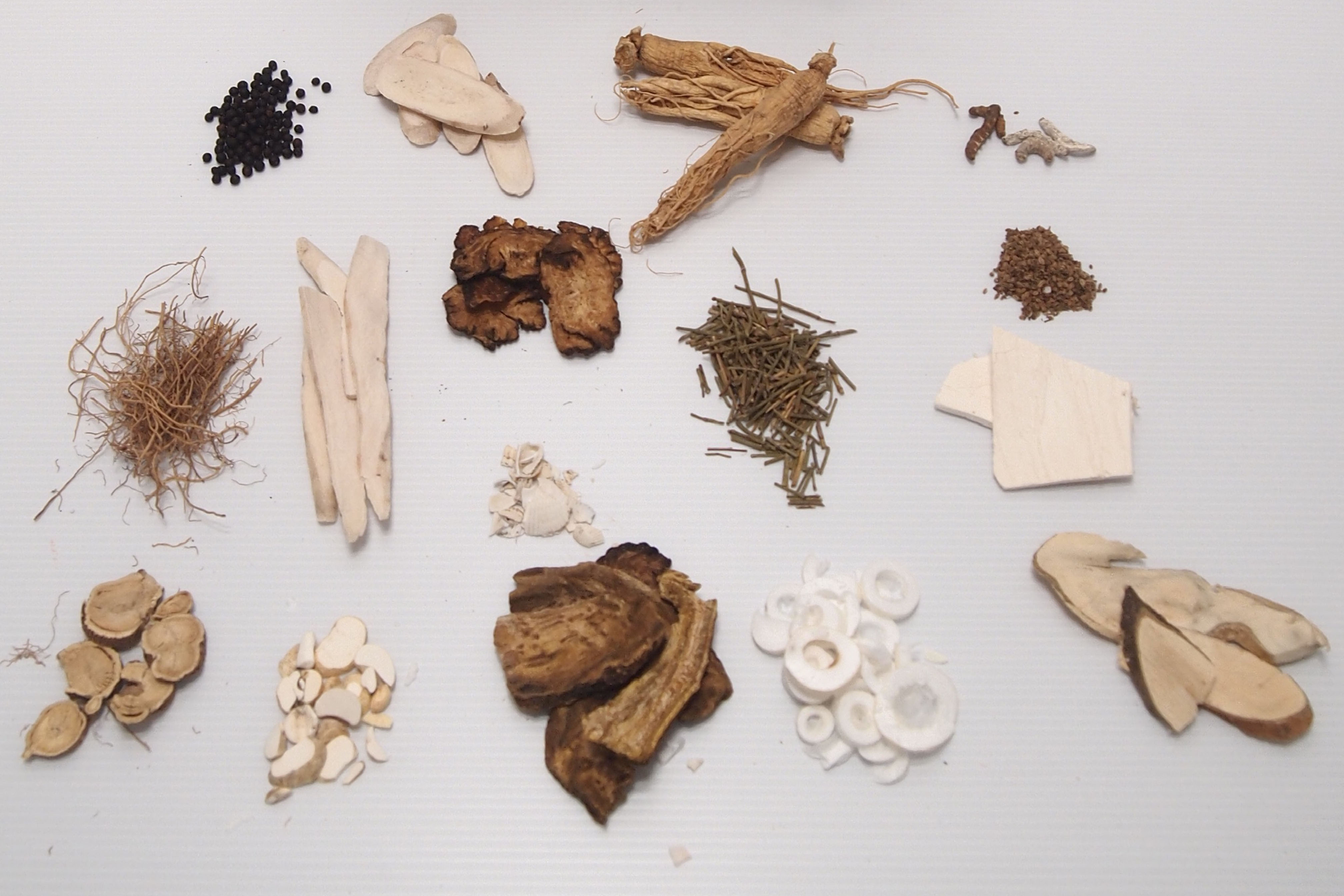
Chinese Herbal Medicines
Responsibilities
This Section helps to implement the following legislations:
- Chinese Medicine Ordinance (Cap. 549)
- Import and Export Ordinance (Cap. 60)
This Section examines Proprietary Chinese medicines and Chinese herbal medicines submitted mainly by the Department of Health (DH).
Proprietary Chinese medicines and Chinese herbal medicines are analyzed for their safety and quality, including the determination of pesticide residues, sulphur dioxide residues, aflatoxins and heavy metals/toxic elements. Urgent analytical services are also provided to DH for investigations into suspected poisoning cases and reports of adverse drug reactions related to the consumption of Chinese medicines. Besides, chemical marker identification testing is conducted for suspected unregistered proprietary Chinese medicines.
Quality Assurance
About 10% of the tests conducted in the Section are for QC purposes.
Key Instruments
The following instruments are used routinely by the Section:
- Gas Chromatograph with Electron Capture Detector, Flame Photometric Detector and Thermal Conductivity Detector
- UV/VIS Spectrophotometer
- Fourier Transform Infrared Spectrophotometer
- High Performance Liquid Chromatograph - Tandem Mass Spectrometer
- Inductively Coupled Plasma - Mass Spectrometer
- Gas Chromatograph - Tandem Mass Spectrometer
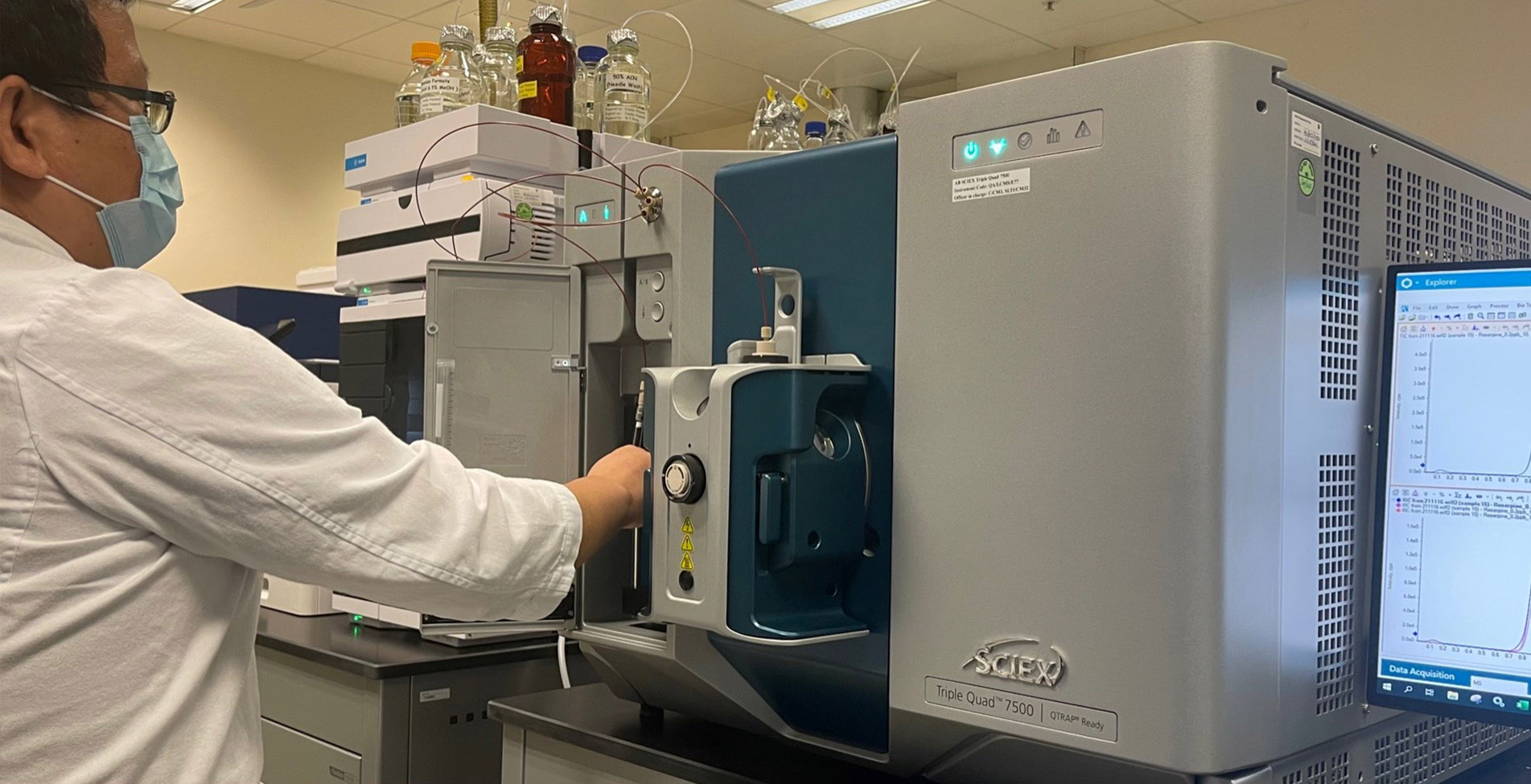
High Performance Liquid Chromatograph - Tandem Mass Spectrometer
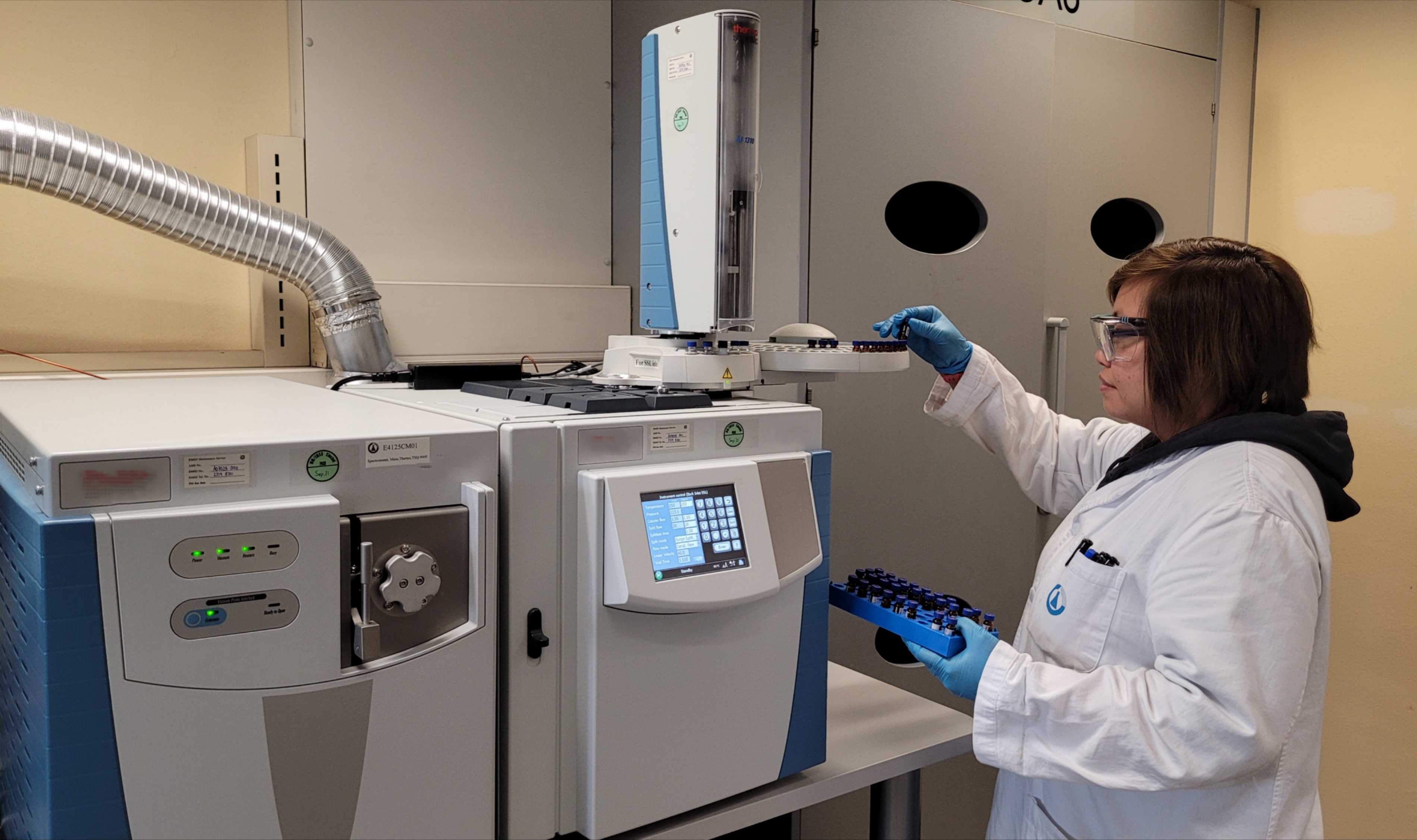
Gas Chromatograph - Tandem Mass Spectrometer
Targets and Key Indicators
Key Performance Measures Relating to the Statutory Testing of Chinese Medicines
Targets #
# For targets where reporting time is mentioned, different samples require different analytical procedures, hence different reporting time. The quoted number of working days required represents an average of reporting time for the different types of samples and test requests within the category, while the target (in percentage) is the total compliance rate of the concerned samples and test requests within a particular category against their respective targets.
Key Indicators
‡ As the testing requirements for urgent samples relating to food, pharmaceuticals and Chinese medicine incidents respectively fluctuated in previous years, it is difficult to estimate the occurrence of the type of incidents or the number of tests required.